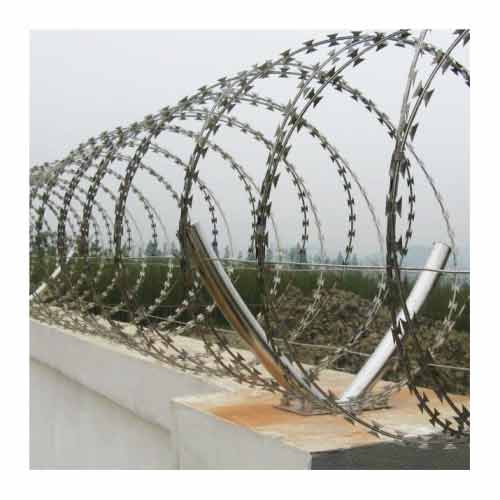
Product details description
Razor wire is a highly effective security barrier known for its sharp,
serrated edges that deter unauthorized access. When considering implementing
razor wire for security, a comprehensive cost-benefit analysis is essential to
determine if it is the most suitable and cost-effective option for your property
or facility. This analysis evaluates the upfront costs (installation, materials)
and ongoing costs (maintenance, repairs) against the benefits (enhanced
security, reduced theft/loss, peace of mind). Understanding the trade-offs
between cost and benefit helps stakeholders make informed decisions about
whether to invest in razor wire security.
The upfront costs of razor wire are a key consideration in the cost-benefit
analysis. These costs include the purchase of the razor wire itself (which
varies in price based on type, such as concertina or flat razor wire, and
material, such as galvanized or stainless steel) and installation expenses.
Razor wire installation typically requires professional labor, as it demands
precision to ensure proper placement and safety. Additional costs may include
supporting structures (such as fence posts, brackets, or rolls) and permits,
depending on local regulations. Compared to other security barriers (such as
chain link fences or wooden fences), razor wire often has higher upfront costs
due to its specialized nature and installation requirements.
Ongoing maintenance and repair costs are another important component of the
cost analysis. Razor wire, especially galvanized or stainless steel varieties,
has good durability and requires minimal maintenance. Routine maintenance may
include inspecting for damage (such as bent or broken wires), cleaning debris,
and checking for signs of corrosion. Repairs are typically minor and low-cost,
involving replacing damaged sections of wire. However, in harsh environments
(such as coastal areas with saltwater exposure), corrosion may occur more
quickly, increasing maintenance costs. Additionally, if the razor wire is
damaged by severe weather or intentional tampering, repair costs may rise.
Overall, the ongoing costs of razor wire are generally lower than those of
high-maintenance security systems (such as electronic surveillance or security
guards).
The benefits of razor wire are primarily centered on enhanced security and
risk reduction, which translate to economic and non-economic value. Razor wire
acts as a strong visual and physical deterrent, significantly reducing the
likelihood of unauthorized access, theft, vandalism, or trespassing. For
commercial facilities, warehouses, or high-security areas (such as prisons or
military bases), this can lead to substantial cost savings by preventing loss of
valuable assets, reducing repair costs from vandalism, and minimizing business
disruption. For residential properties, razor wire provides peace of mind and
may lower insurance premiums, as it reduces the risk of break-ins. The
non-economic benefits, such as improved safety for occupants and reduced
liability risks, are also significant.
When conducting a cost-benefit analysis, it is important to compare razor
wire to alternative security solutions. For example, while razor wire has higher
upfront costs than a standard chain link fence, it offers superior security and
may eliminate the need for additional security measures (such as guards or
cameras). In low-risk areas, the higher costs of razor wire may not be
justified, and a more affordable barrier may suffice. In high-risk areas,
however, the benefits of reduced theft and enhanced security often outweigh the
upfront and ongoing costs. Ultimately, the decision to use razor wire depends on
the level of security needed, the value of the assets being protected, and the
long-term cost implications. A thorough cost-benefit analysis ensures that the
investment in razor wire aligns with the security goals and financial priorities
of the stakeholder.
Previous article:
Prison Grade Razor Wire
Next article:
High-Security Razor Wire Applications