Weather-Resistant Perimeter Security Razor Wire for All-Season Reliability
Release time:2026-01-11 Click:20
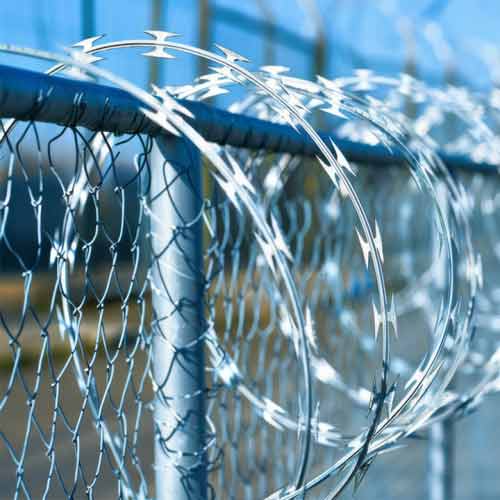
Perimeter security applications across commercial, industrial, governmental, and residential contexts require protective barriers that maintain effectiveness through the full range of environmental conditions that seasons deliver. Security fencing provides the basic barrier structure, but the deterrent and delay functions that distinguish effective security from basic enclosure require additional protective elements that raise the cost and difficulty of breach attempts. Razor wire and similar anti-climb toppings significantly enhance security fence performance, but the materials must resist the corrosion, UV degradation, and temperature cycling that can compromise lesser products over time. Weather-resistant security razor wire has been developed specifically for demanding perimeter protection applications, providing reliable all-season performance that maintains security effectiveness regardless of climate conditions.
The material specifications that distinguish weather-resistant razor wire from commodity products involve both the steel core and protective coating systems that prevent corrosion during extended outdoor exposure. High-tensile steel core materials provide the strength necessary to maintain razor edge configuration and resist the cutting attempts that may be employed against security toppings. Zinc-aluminum alloy coatings provide enhanced corrosion resistance compared to pure zinc galvanizing, with the alloy formulation extending service life in coastal and industrial environments where salt and chemical exposure accelerate corrosion of standard products. PVC or similar polymer coatings provide additional protection for the most demanding applications, encapsulating the steel core within a continuous polymer sheath that eliminates corrosion initiation points entirely. These material enhancements ensure that weather-resistant razor wire maintains its security effectiveness throughout the decades of service life that perimeter security investments require.
Installation considerations for weather-resistant razor wire require attention to both security effectiveness and the practical logistics of deploying security toppings across extended fence lines. Mounting systems must maintain proper wire tension and spacing throughout temperature cycling, with appropriate adjustment mechanisms compensating for the thermal expansion and contraction that affects all steel products. Support brackets and attachment hardware must match the corrosion resistance of the wire itself, as dissimilar metal contact and coating failures at hardware connections can create failure points that compromise entire security systems. Access gates and portal penetrations require special attention, as these transitions between fence-mounted and free-hanging wire configurations often present the most vulnerable points in perimeter security systems. Professional installation by contractors experienced with security topping systems ensures that material quality investments translate into reliable security performance.
The security effectiveness of properly installed weather-resistant razor wire derives from both physical deterrent properties and the psychological barriers that these aggressive protective elements create. The sharp razor edges inflict painful injury on anyone attempting to climb or breach topped barriers, creating physical consequences that typically exceed the pain tolerance of casual intruders. The aggressive appearance of properly installed razor wire communicates security investment and the seriousness of protection measures, discouraging many potential intruders before they even assess physical breach possibilities. These psychological and physical deterrent effects combine to create security effectiveness that substantially exceeds what unfenced or untopped fence systems provide, justifying the investment in security toppings for applications where protection priorities warrant enhanced perimeter security.
Previous article:Reliable Perimeter Security and Longevity with Galvanized Barbed Wire
Next article:Rust-Proof Protection: The Advantage of Galvanized Razor Wire
Hot products
Mobile: +86 13292822131
Email:metalproducts2023@163.com
Email:634049339@qq.com