Galvanized Barbed Wire: The Classic Solution for Agricultural and Security Fencing
Release time:2026-01-07 Click:16
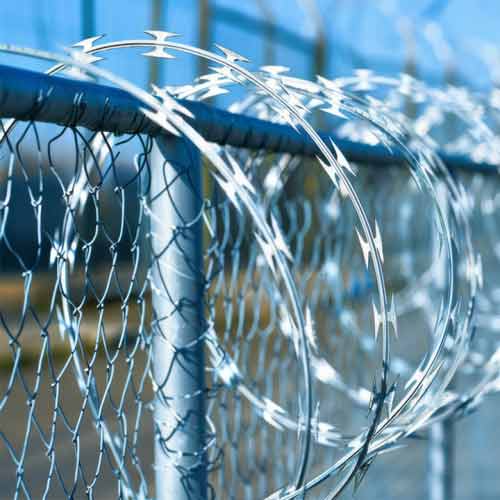
Galvanized barbed wire has remained an essential fencing material for over a century, providing effective and economical solutions for agricultural land management, livestock containment, and perimeter security in applications where the combination of affordability and deterrent effectiveness cannot be matched by more modern alternatives. The invention of barbed wire in the late nineteenth century revolutionized land use in the American West and similar frontier regions, enabling ranchers to fence large areas at a fraction of the cost of traditional wooden or stone barriers while providing more effective livestock control than open range management. The basic design has evolved little over the decades, consisting of two or more strands of galvanized steel wire twisted together to form a strong, flexible rope-like structure, with sharp barbs spaced at regular intervals along the wire to create points that discourage contact and make climbing or breaching the fence painful and difficult.
The galvanization process that gives this fencing material its name and its primary advantage involves coating the steel wire with zinc before or after the barbed wire manufacturing process, creating a protective barrier that dramatically extends the fence's service life compared to plain steel wire. Hot-dip galvanization produces the thickest and most durable zinc coating, with the steel wire immersed in molten zinc to create a metallurgical bond between the coating and substrate that resists flaking, scratching, and wear over decades of service. Electro-galvanization produces thinner, more uniform coatings suitable for applications where appearance is important or where the lighter coating provides adequate corrosion protection in less demanding environments. The choice of galvanization method affects both the initial cost and the expected service life of the finished barbed wire, with hot-dip products commanding premium prices but offering superior long-term value in corrosive environments such as coastal areas or industrial regions.
Installation of galvanized barbed wire fencing requires appropriate tools, techniques, and safety precautions to create effective barriers that will maintain their functionality over many years of service. The primary support system involves sturdy corner and end posts, typically constructed from treated wood, steel, or concrete, that must be anchored deep enough in the ground to resist the substantial tension that the stretched wire will place on them. Intermediate posts are spaced according to the terrain and the number of wire strands being installed, with closer spacing required on uneven ground or where additional strength is needed to contain large or powerful livestock. The barbed wire is attached to posts using specialized U-nails or staples that hold the wire securely without crushing the strand or creating weak points that could fail under tension. Barbs are positioned to face outward from the enclosure on the outside of the fence, creating a deterrent against both escape from within and intrusion from outside. Regular inspection and maintenance, including prompt repair of any damage and periodic retensioning as the wire stretches over time, will ensure that a properly installed galvanized barbed wire fence provides decades of reliable service for agricultural operations, property boundaries, and security applications.
Previous article:High-Tensile Single Coil Razor Wire with a Polished Metallic Finish
Next article:For Sites That Accept Zero Breaches: Absolute Maximum Protection Razor Wire
Hot products
Mobile: +86 13292822131
Email:metalproducts2023@163.com
Email:634049339@qq.com